

As a provider of micro filter elements, ensuring the quality of our products is of utmost importance. High - quality micro filter elements are essential for various industries, including water treatment, air purification, and industrial processes. In this blog, I will share some key strategies and practices that we adopt to guarantee the quality of our micro filter elements.
1. Material Selection
The quality of a micro filter element begins with the materials used in its construction. We carefully select raw materials that meet strict standards for durability, chemical resistance, and filtration efficiency. For example, when manufacturing filter elements for water treatment, we use high - grade polypropylene fibers or activated carbon. These materials are known for their excellent water purification capabilities and long service life.
We source our materials from reliable suppliers who have a proven track record of providing high - quality products. Before using any new material, we conduct thorough tests to assess its properties, such as particle size distribution, porosity, and chemical compatibility. This ensures that the material is suitable for the intended application of the micro filter element.
For the filtration of fine particles in the air, we may choose materials like glass fiber or synthetic polymers. These materials can effectively trap dust, pollen, and other allergens. Bag Filter Element is another example of a widely - used filtration component, and we ensure that any auxiliary materials used in combination with our micro filter elements are also of high quality.
2. Strict Manufacturing Processes
Our manufacturing processes are designed to produce consistent and high - quality micro filter elements. First, we have standardized production procedures that are adhered to by all our workers. Every step, from the initial cutting of materials to the final assembly of the filter element, is carefully monitored.
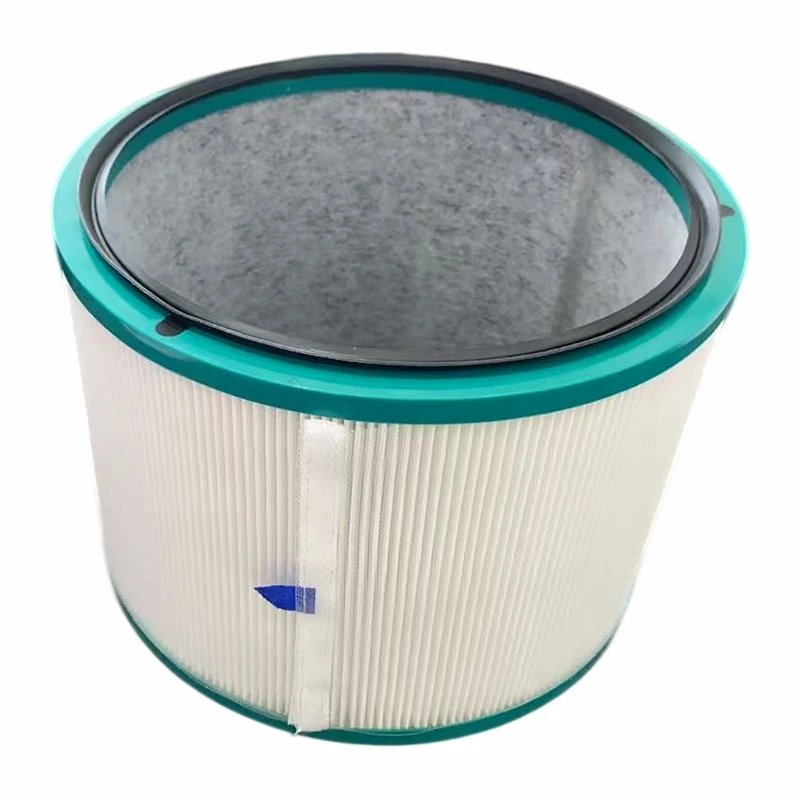
We use advanced manufacturing equipment to ensure precision and accuracy. For instance, our automated winding machines can tightly and evenly wind filter media, which is crucial for maintaining the filter's structural integrity and filtration efficiency. In addition, our heat - sealing processes are carefully calibrated to ensure strong and reliable seals between different layers of the filter element.
Quality control checks are integrated at every stage of the manufacturing process. This includes in - process inspections, where workers visually inspect the product for any visible defects, such as tears, holes, or uneven seams. We also perform functional tests on randomly selected samples during production. For example, we may test the pressure drop across the filter element to ensure that it meets the specified performance criteria.
3. Advanced Testing and Quality Assurance
After the manufacturing process is complete, our micro filter elements undergo a series of comprehensive tests. One of the most important tests is the filtration efficiency test. We use specialized equipment to measure the percentage of particles that are removed by the filter element at different particle sizes. This helps us to ensure that our products meet or exceed the industry - standard filtration ratings.
We also conduct tests for pressure resistance. A micro filter element needs to withstand the pressure applied during filtration without losing its integrity. We simulate different pressure conditions to evaluate how the filter element performs under stress. Pressure drop testing is also done to ensure that the filter element does not cause an excessive pressure drop, which could affect the efficiency of the entire filtration system.
In addition to these mechanical and performance - related tests, we also perform chemical compatibility tests. If the filter element is intended for use in a chemical environment, it must be able to resist corrosion and degradation caused by the chemicals. We expose the filter elements to different chemicals and monitor their performance over time.
IRobot Roomba I7 Dust Bag can be used in some similar applications where dust collection is required, and our testing processes are in line with the high - quality requirements of such filtration - related products.
4. Skilled Workforce and Employee Training
A skilled and well - trained workforce is crucial for ensuring the quality of our micro filter elements. Our employees are carefully selected based on their experience and expertise in the filtration industry. We provide regular training programs to keep them updated with the latest manufacturing techniques, quality control methods, and industry standards.
The training includes both theoretical knowledge and practical hands - on experience. Workers learn about the properties of different materials, the importance of each manufacturing step, and how to identify and deal with potential quality issues. We also encourage employees to participate in continuous improvement initiatives, where they can share their ideas for enhancing product quality and manufacturing processes.
5. Continuous Research and Development
To stay ahead in the market and ensure the highest quality of our micro filter elements, we invest significantly in research and development (R&D). Our R&D team is constantly exploring new materials, technologies, and design concepts. They work on improving the filtration efficiency, durability, and cost - effectiveness of our products.
For example, we are researching new types of filter media that can provide better filtration performance at a lower cost. We are also looking into innovative manufacturing processes that can reduce waste and improve production efficiency. By keeping up with the latest technological advancements, we can offer our customers micro filter elements that are at the cutting - edge of the industry.
6. Supplier Management
As mentioned earlier, the quality of raw materials is crucial for the quality of our micro filter elements. Therefore, we have a strict supplier management system in place. We evaluate potential suppliers based on their quality control systems, production capabilities, and reputation in the market.
We establish long - term partnerships with reliable suppliers and work closely with them to ensure a stable supply of high - quality materials. We also conduct regular audits of our suppliers' facilities to monitor their compliance with quality standards. By maintaining good relationships with our suppliers, we can quickly address any quality - related issues that may arise.
7. Customer Feedback and Improvement
Customer feedback is an invaluable source of information for us. We actively seek feedback from our customers through surveys, after - sales support, and direct communication. We carefully analyze this feedback to identify areas where our micro filter elements can be improved.
If customers report issues such as low filtration efficiency or short service life, we take immediate action to investigate the problem. We may adjust our manufacturing processes, change the materials used, or improve our testing methods. By listening to our customers, we can continuously improve the quality of our products and meet their evolving needs.
Conclusion
Ensuring the quality of micro filter elements is a multi - faceted process that involves material selection, strict manufacturing processes, advanced testing, a skilled workforce, continuous R&D, supplier management, and customer feedback. As a micro filter element provider, we are committed to delivering products of the highest quality to our customers.
If you are in the market for high - quality micro filter elements or have any questions about our products, we invite you to contact us for procurement discussions. We look forward to working with you to meet your filtration needs.
References
- ASTM International Standards on Filtration Products.
- Industry reports on filtration technology and market trends.
- Research papers on advanced materials for filtration applications.