

Hey there! As a bag filter supplier, I've been getting a lot of questions lately about how the material thickness of bag filters affects their performance. So, I thought I'd dive into this topic and share some insights with you all.
First off, let's talk about what bag filters are and what they do. Bag filters are used in a variety of industries to remove particulate matter from gas streams. They work by allowing the gas to pass through the filter material, while the particles are trapped on the surface or within the filter media. This helps to improve air quality, protect equipment, and ensure the efficiency of industrial processes.
Now, the material thickness of a bag filter plays a crucial role in its performance. Thicker filter materials generally offer better filtration efficiency. This is because a thicker layer provides more surface area and more opportunities for particles to be trapped. When the gas passes through a thicker filter, the particles have to navigate through a more complex maze of fibers, increasing the likelihood of them being captured.
For example, in a high - dust environment like a cement plant, a bag filter with a thicker material can trap a higher percentage of fine dust particles. These fine particles, if not filtered properly, can cause damage to downstream equipment and also pose a health risk to workers. So, a thicker filter can really make a big difference in such situations.
However, there's a trade - off. Thicker filter materials also tend to have higher pressure drops. Pressure drop is the difference in pressure between the inlet and the outlet of the filter. When the filter material is thick, it restricts the flow of gas more, which means the system has to work harder to push the gas through the filter. This can lead to increased energy consumption. For instance, in a large industrial ventilation system, a high pressure drop can result in higher electricity bills as the fans have to work at a higher capacity to maintain the required airflow.
Another aspect to consider is the cleaning process. Bag filters need to be cleaned regularly to maintain their performance. Thicker filter materials can be more difficult to clean. The particles that are deeply embedded in the thicker media may not be easily dislodged during the cleaning cycle. This can lead to a build - up of dust over time, further increasing the pressure drop and reducing the filter's lifespan.
On the other hand, thinner filter materials have lower pressure drops. This means that the gas can flow through the filter more easily, reducing the energy requirements of the system. They also tend to be easier to clean. But, the trade - off is that they may not offer the same level of filtration efficiency as thicker materials. In applications where the dust load is relatively low, a thinner filter might be a good choice. For example, in a small workshop with low - level dust generation, a thinner bag filter can still provide adequate filtration while keeping the energy costs down.
Let's take a look at some real - world scenarios. In a food processing plant, the air quality requirements are quite strict. The dust particles in this environment can be a contamination risk to the food products. Here, a thicker bag filter might be preferred to ensure high - efficiency filtration and prevent any potential product contamination. However, if the plant is looking to reduce its energy consumption and the dust levels are not extremely high, they might consider using a slightly thinner filter with additional pre - filtration steps.
In an automotive painting booth, the bag filters are used to remove overspray and other particulate matter from the air. The filtration efficiency is crucial to ensure a high - quality paint finish. A thicker filter can help to capture the fine paint particles more effectively. But, the painting booth also needs to maintain a consistent airflow, so the pressure drop has to be kept in check. In such cases, a balance needs to be struck between the material thickness and the pressure drop.
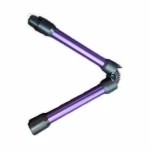
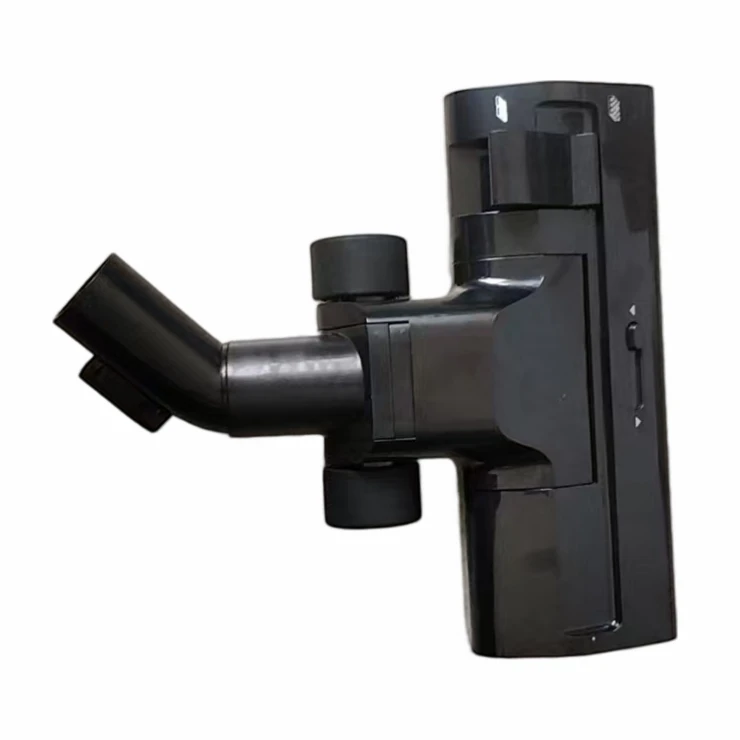
Now, I'd like to mention some of the other products that might be relevant to your filtration systems. If you're concerned about the cleanliness of your indoor floors, you might want to check out the Indoor Floor Brush. It's a great tool for keeping your floors clean and free of dust. For larger areas, the Large Floor Brush can make the cleaning process much easier. And if you need a flexible and convenient way to reach different areas, the Folding Joint Tube could be just what you need.
When it comes to choosing the right bag filter material thickness for your application, it's important to consider several factors. You need to assess the dust load in your environment, the required filtration efficiency, the available energy budget, and the cleaning capabilities of your system.
If you're still not sure which bag filter is the best fit for your needs, our team of experts is here to help. We've got years of experience in the industry and can provide you with personalized advice based on your specific requirements. Whether you're dealing with a high - dust industrial process or a low - level dust environment, we can find the right solution for you.
We understand that every customer's situation is unique, and we're committed to providing the best products and services. So, if you're interested in purchasing bag filters or need more information, don't hesitate to reach out. We're looking forward to having a chat with you and helping you make the right choice for your filtration needs.
In conclusion, the material thickness of a bag filter has a significant impact on its performance. Thicker materials offer better filtration but come with higher pressure drops and cleaning challenges, while thinner materials have lower pressure drops and are easier to clean but may have lower filtration efficiency. By carefully considering your application's requirements, you can choose the optimal material thickness for your bag filter.
References
- "Industrial Filtration Handbook" by Peter A. Schweitzer.
- "Air Filtration: An Introduction for Engineers" by Frank E. Kuhn.