

Installing a bag filter in a confined space can be a challenging yet crucial task, especially for industries that require high - efficiency air filtration. As a bag filter supplier, I've witnessed firsthand the importance of a well - executed installation process. In this blog, I'll share some key steps and considerations to guide you through installing a bag filter in a confined space.
Understanding the Confined Space
Before starting the installation, it's essential to thoroughly understand the characteristics of the confined space. Confined spaces are typically areas with limited entry and exit points, restricted ventilation, and potential hazards. These spaces can include small rooms, equipment enclosures, or crawl spaces.
Measure the dimensions of the confined space accurately. This will help you determine if the bag filter you've chosen can fit properly. Consider the height, width, and depth of the space, as well as any obstructions such as pipes, cables, or support structures. You may need to use specialized measuring tools like a laser distance meter for precise measurements.
Assess the ventilation in the confined space. Poor ventilation can lead to the accumulation of dust, fumes, or other contaminants during the installation process. Ensure that there is adequate airflow by either using existing ventilation systems or setting up temporary fans. This will not only protect the installers but also prevent the build - up of dust that could potentially damage the bag filter.
Pre - installation Preparations
Gather all the necessary tools and materials. For a bag filter installation, you'll need basic hand tools such as screwdrivers, wrenches, and pliers. You may also require safety equipment like gloves, goggles, and respirators to protect yourself from dust and debris. Additionally, make sure you have all the components of the bag filter, including the bags, frames, and housing.
Check the bag filter components for any damage or defects. Inspect the bags for tears, holes, or loose stitching. Examine the frames for any signs of corrosion or deformation. If you find any issues, contact your supplier immediately to get replacements. This step is crucial to ensure the proper functioning of the bag filter once it's installed.
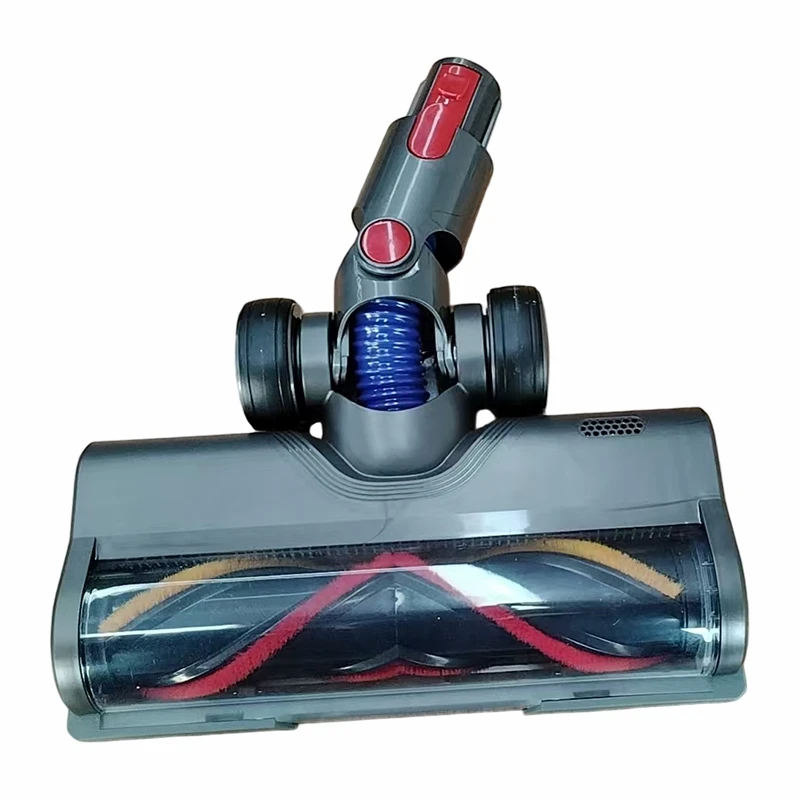
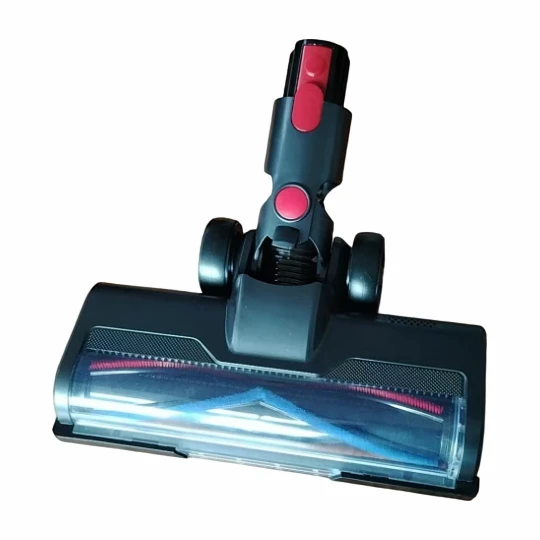
Clean the confined space thoroughly before installation. Use a Brush for Cleaning Dust to remove any loose dust, dirt, or debris from the walls, floor, and ceiling. You can also use a vacuum cleaner with a Floor Brush Attachment XB08 to reach into corners and crevices. A clean environment will prevent dust from interfering with the installation process and ensure a better seal between the bag filter and the housing.
Installation Process
- Install the Housing:
- Begin by positioning the bag filter housing in the confined space. Make sure it is level and properly aligned. Use a spirit level to check for horizontal and vertical alignment.
- Secure the housing to the floor or wall using appropriate fasteners. Depending on the material of the surface, you may need to use screws, bolts, or anchors. If the surface is made of concrete, you may require a hammer drill to create holes for the fasteners.
- Connect any necessary ductwork to the housing. Use a Folding Joint Tube if you need to make flexible connections. Ensure that the ductwork is airtight to prevent any air leakage.
- Install the Frames:
- Place the frames inside the housing. Make sure they are evenly spaced and properly aligned. The frames provide support for the bag filters and help maintain their shape.
- Secure the frames to the housing using clips or brackets. Ensure that the frames are firmly attached to prevent them from moving during operation.
- Install the Bag Filters:
- Carefully insert the bag filters into the frames. Start from one end and work your way to the other. Make sure the bags are properly seated in the frames and there are no wrinkles or folds.
- Check the seals between the bags and the frames. A good seal is essential to prevent dust from bypassing the filter. If necessary, use a sealant to ensure a tight fit.
- Final Checks:
- Once all the bag filters are installed, conduct a final inspection. Check for any loose connections, damaged bags, or improper alignment.
- Test the ventilation system to ensure that air is flowing through the bag filter properly. You can use an anemometer to measure the air velocity and ensure that it meets the required specifications.
Safety Considerations
Working in a confined space poses several safety risks. Therefore, it's important to follow all safety protocols during the installation process.
- Ventilation: As mentioned earlier, ensure that there is adequate ventilation in the confined space. Monitor the air quality regularly using appropriate gas detectors. If the air quality deteriorates, evacuate the space immediately and take corrective actions.
- Personal Protective Equipment (PPE): Wear all the necessary PPE, including gloves, goggles, and respirators. The respirator should be properly fitted to provide effective protection against dust and fumes.
- Emergency Preparedness: Have an emergency plan in place. This should include a way to quickly evacuate the confined space in case of an emergency. Make sure all installers are familiar with the emergency procedures.
Maintenance and Troubleshooting
After the installation, regular maintenance is essential to ensure the long - term performance of the bag filter.
- Inspection: Conduct regular inspections of the bag filter. Check for any signs of wear, damage, or clogging. Replace any damaged bags or components as soon as possible.
- Cleaning: Clean the bag filter periodically to remove accumulated dust. You can use a pulse - jet cleaning system or manual cleaning methods depending on the type of bag filter.
- Troubleshooting: If you notice any issues with the bag filter, such as reduced airflow or increased pressure drop, troubleshoot the problem immediately. Check for clogged bags, damaged frames, or air leaks in the ductwork.
Conclusion
Installing a bag filter in a confined space requires careful planning, proper preparation, and strict adherence to safety protocols. By following the steps outlined in this blog, you can ensure a successful installation and optimal performance of the bag filter.
If you're in the market for high - quality bag filters or need more information about the installation process, I encourage you to reach out for a procurement discussion. We're here to provide you with the best solutions for your air filtration needs.
References
- Industrial Air Filtration Handbook, Second Edition.
- Safety Guidelines for Working in Confined Spaces, OSHA.