

As a bag filter supplier, I often get asked about the role of the differential pressure gauge in a bag filter. It's a crucial component that can tell you a lot about how your bag filter is performing. In this blog, I'll explain what a differential pressure gauge is, why it's important in a bag filter, and how it can help you maintain and optimize your filtration system.
What is a Differential Pressure Gauge?
A differential pressure gauge, also known as a DP gauge, measures the difference in pressure between two points in a system. In the context of a bag filter, it measures the pressure drop across the filter bags. The pressure drop is the difference in pressure between the inlet and the outlet of the bag filter. This pressure drop is caused by the resistance of the filter bags to the flow of air or gas through them.
Why is the Differential Pressure Gauge Important in a Bag Filter?
The differential pressure gauge is important in a bag filter for several reasons:
- Monitoring Filter Performance: The pressure drop across the filter bags is a direct indicator of how well the filter is working. As the filter bags collect dust and debris, the pressure drop increases. By monitoring the differential pressure, you can determine when the filter bags need to be cleaned or replaced. If the pressure drop is too high, it can indicate that the filter bags are clogged, which can lead to reduced airflow and increased energy consumption.
- Preventing System Damage: A high differential pressure can put stress on the bag filter and other components of the filtration system. If the pressure drop is not monitored and addressed, it can cause damage to the filter bags, the housing, and other parts of the system. This can lead to costly repairs and downtime.
- Optimizing Energy Efficiency: The pressure drop across the filter bags affects the energy consumption of the bag filter. A higher pressure drop requires more energy to move the air or gas through the filter. By monitoring the differential pressure and keeping it within the recommended range, you can optimize the energy efficiency of the bag filter and reduce operating costs.
How Does the Differential Pressure Gauge Work?
The differential pressure gauge works by comparing the pressure at the inlet and the outlet of the bag filter. It typically consists of a diaphragm or a Bourdon tube that is connected to the inlet and outlet ports of the gauge. As the pressure difference between the two points changes, the diaphragm or Bourdon tube moves, which is then translated into a reading on the gauge.
There are different types of differential pressure gauges available, including mechanical gauges, digital gauges, and transmitters. Mechanical gauges are the most common type and are relatively simple and inexpensive. Digital gauges provide more accurate readings and can be connected to a control system for remote monitoring. Transmitters are used to send the differential pressure signal to a control system or a data logger for further analysis.
Using the Differential Pressure Gauge to Maintain and Optimize the Bag Filter
To use the differential pressure gauge effectively, you need to establish a baseline pressure drop for your bag filter. This baseline is the pressure drop when the filter bags are clean and the system is operating normally. You can then monitor the differential pressure over time and compare it to the baseline.
If the differential pressure is higher than the baseline, it may indicate that the filter bags are dirty and need to be cleaned or replaced. You can use the differential pressure gauge to determine the optimal time for cleaning or replacing the filter bags. This can help you avoid unnecessary maintenance and reduce operating costs.
In addition to monitoring the differential pressure, you can also use it to optimize the performance of the bag filter. For example, you can adjust the airflow rate or the cleaning cycle based on the differential pressure reading. By doing so, you can ensure that the bag filter is operating at its maximum efficiency and that the pressure drop is within the recommended range.
Related Products for Bag Filters
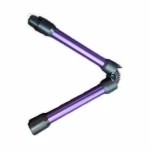
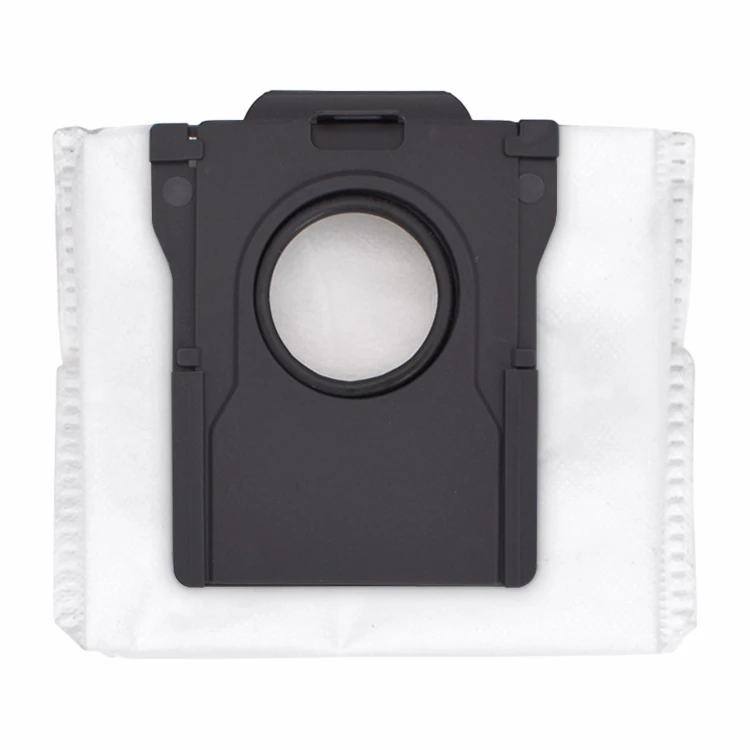
When it comes to bag filters, there are several related products that can enhance their performance. For example, the Folding Joint Tube can provide flexible connections in the filtration system, allowing for easier installation and maintenance. The Dreame X30 Dust Bag is a high-quality dust bag that can effectively collect dust and debris, reducing the pressure drop across the filter bags. And the Telescopic Extension Wand can help you reach difficult areas for cleaning, ensuring that the bag filter is thoroughly maintained.
Conclusion
The differential pressure gauge is a vital component in a bag filter. It provides valuable information about the performance of the filter and helps you maintain and optimize the filtration system. By monitoring the differential pressure, you can ensure that the filter bags are clean, prevent system damage, and optimize energy efficiency. If you're in the market for a bag filter or need to replace your existing differential pressure gauge, feel free to reach out to us for more information. We're here to help you find the right solution for your filtration needs.
References
- "Bag Filter Handbook" by Filtration Industry Council
- "Industrial Air Filtration" by John Doe