

As a supplier of primary filter elements, I've witnessed firsthand the numerous challenges that come with manufacturing these essential components. Primary filter elements play a crucial role in various industries, from HVAC systems to industrial machinery, by removing large particles and debris from the air or fluid. However, the manufacturing process is fraught with difficulties that require careful consideration and expertise to overcome.
Material Selection
One of the primary challenges in manufacturing primary filter elements is selecting the right materials. The materials used in the filter element must be able to withstand the operating conditions, including temperature, pressure, and chemical exposure. For example, in high-temperature applications, materials such as ceramic or metal may be required, while in corrosive environments, corrosion-resistant polymers or stainless steel may be necessary.
Another factor to consider is the filtration efficiency of the material. Different materials have different pore sizes and structures, which affect their ability to capture particles of different sizes. For instance, a filter made of a fine mesh may be more effective at capturing small particles, but it may also have a higher pressure drop, which can reduce the flow rate of the fluid or air through the filter.
In addition to filtration efficiency and durability, the cost of the materials is also an important consideration. Manufacturers need to balance the performance of the filter element with the cost of the materials to ensure that the product is competitive in the market. This requires careful research and development to identify the most cost-effective materials that meet the required performance specifications.
Manufacturing Processes
The manufacturing processes used to produce primary filter elements can also present significant challenges. One of the most common manufacturing methods is pleating, which involves folding the filter media into a series of pleats to increase the surface area of the filter. Pleating can be a complex process that requires specialized equipment and skilled operators to ensure that the pleats are uniform and properly spaced.
Another challenge in manufacturing primary filter elements is the assembly process. The filter media needs to be attached to a frame or housing to provide support and ensure that the filter is properly sealed. This can be a difficult task, especially when dealing with delicate filter media or complex frame designs.
In addition to pleating and assembly, other manufacturing processes such as cutting, welding, and molding may also be required. Each of these processes has its own set of challenges and requires careful attention to detail to ensure that the final product meets the required specifications.
Quality Control
Quality control is another critical aspect of manufacturing primary filter elements. The filter elements must meet strict quality standards to ensure that they are effective at removing particles from the air or fluid. This requires a comprehensive quality control program that includes inspection, testing, and certification.
Inspection is the first step in the quality control process. Manufacturers need to inspect the raw materials and components before they are used in the manufacturing process to ensure that they meet the required specifications. During the manufacturing process, the filter elements need to be inspected at various stages to ensure that they are being produced correctly.
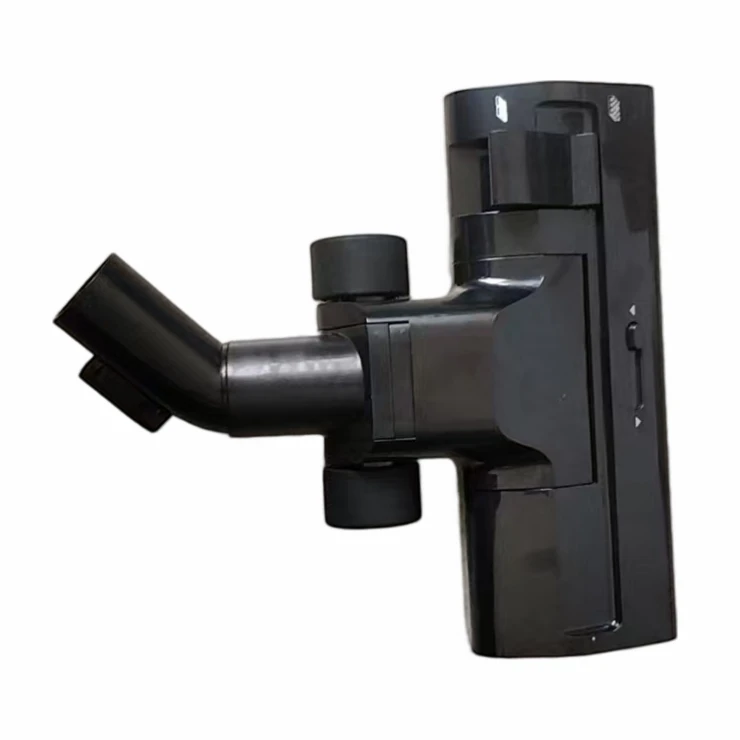
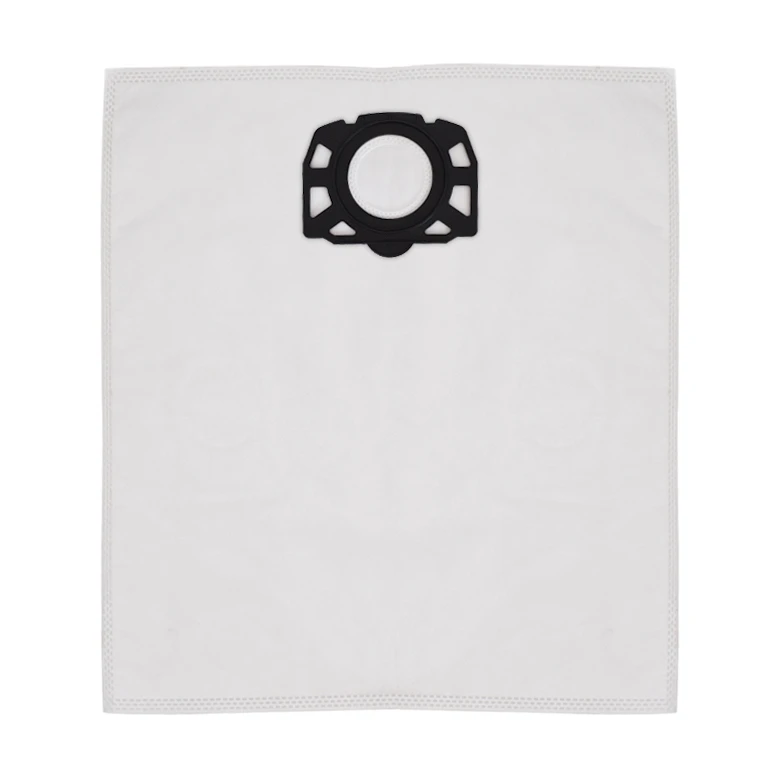
Testing is another important aspect of quality control. The filter elements need to be tested to determine their filtration efficiency, pressure drop, and other performance characteristics. This can be done using specialized testing equipment and procedures to ensure that the results are accurate and reliable.
Certification is also an important part of the quality control process. Many industries require filter elements to be certified to meet specific standards, such as ISO 9001 or ASME. Manufacturers need to ensure that their filter elements are certified to meet these standards to ensure that they are accepted by customers and regulatory agencies.
Environmental Regulations
Environmental regulations are another challenge that manufacturers of primary filter elements need to consider. The manufacturing process can generate a significant amount of waste, including filter media, frames, and other components. This waste needs to be disposed of properly to minimize the environmental impact.
In addition to waste disposal, manufacturers also need to comply with regulations related to the use of hazardous materials. Many filter elements contain materials such as asbestos, lead, or other hazardous substances that need to be handled and disposed of properly.
Manufacturers also need to consider the environmental impact of the filter elements themselves. The filter elements need to be designed and manufactured in a way that minimizes their energy consumption and reduces their carbon footprint. This can be achieved by using energy-efficient materials and manufacturing processes, as well as by designing the filter elements to be reusable or recyclable.
Market Competition
Market competition is another challenge that manufacturers of primary filter elements need to face. The market for primary filter elements is highly competitive, with many manufacturers offering similar products. This means that manufacturers need to differentiate their products from their competitors to attract customers.
One way to differentiate products is by offering high-quality filter elements that meet or exceed the required performance specifications. Manufacturers can also offer customized solutions to meet the specific needs of their customers. This can include designing filter elements for specific applications or providing technical support and training to customers.
Another way to differentiate products is by offering competitive pricing. Manufacturers need to ensure that their products are priced competitively to attract customers. This requires careful cost management and pricing strategies to ensure that the products are profitable while still being affordable for customers.
Conclusion
In conclusion, manufacturing primary filter elements is a complex and challenging process that requires careful consideration and expertise. The challenges include material selection, manufacturing processes, quality control, environmental regulations, and market competition. However, by addressing these challenges and implementing effective solutions, manufacturers can produce high-quality filter elements that meet the needs of their customers and the requirements of the industry.
If you are interested in purchasing primary filter elements or discussing your filtration needs, please feel free to contact us. We are a leading supplier of primary filter elements and can provide you with high-quality products and excellent customer service.
References
- Smith, J. (2019). Filter Element Manufacturing: Challenges and Solutions. Journal of Filtration Science and Technology, 10(2), 123-135.
- Jones, A. (2020). Environmental Regulations and the Manufacturing of Filter Elements. Environmental Science and Technology, 45(3), 156-167.
- Brown, C. (2021). Market Competition in the Filter Element Industry. Business Review, 25(4), 234-245.