

When it comes to handling a primary filter element, safety should always be the top priority. As a trusted supplier of primary filter elements, I understand the importance of ensuring that every step of the handling process is carried out with the utmost care. In this blog post, I will share some essential safety precautions that you should take when dealing with primary filter elements.
1. Personal Protective Equipment (PPE)
Before you start handling a primary filter element, it is crucial to wear the appropriate personal protective equipment. This includes safety goggles, gloves, and a dust mask. Safety goggles will protect your eyes from any debris or particles that may be released during the handling process. Gloves will prevent direct contact with the filter element, which may contain harmful substances such as dust, chemicals, or microorganisms. A dust mask will help you avoid inhaling any airborne particles, reducing the risk of respiratory problems.
For example, if you are handling a filter element that has been used in an industrial setting, it may be contaminated with heavy metals or toxic chemicals. Wearing gloves and a dust mask can prevent these substances from coming into contact with your skin or being inhaled into your lungs.
2. Inspection and Preparation
Before handling the filter element, you should conduct a thorough inspection to check for any signs of damage or wear. Look for cracks, tears, or other visible defects that may affect the performance of the filter. If you notice any damage, do not attempt to handle the filter element. Instead, contact the manufacturer or supplier for further guidance.
In addition to inspecting the filter element, you should also prepare the work area. Make sure the area is clean, well-ventilated, and free of any obstacles. Remove any flammable materials or sources of ignition from the vicinity. This will help prevent accidents and ensure a safe working environment.
3. Handling and Storage
When handling the filter element, it is important to be gentle and avoid applying excessive force. Filter elements are delicate and can be easily damaged if mishandled. Use both hands to support the filter element and avoid dropping or banging it against hard surfaces.
If you need to transport the filter element, use a suitable container or packaging to protect it from damage. Make sure the container is labeled clearly with the type of filter element and any relevant safety information.
When storing the filter element, keep it in a dry, cool, and clean place. Avoid exposing it to direct sunlight, moisture, or extreme temperatures. This will help preserve the integrity of the filter element and ensure its optimal performance.
4. Cleaning and Maintenance
Regular cleaning and maintenance of the filter element are essential to ensure its continued effectiveness. Follow the manufacturer's instructions for cleaning and maintenance, and use the appropriate cleaning agents and tools.
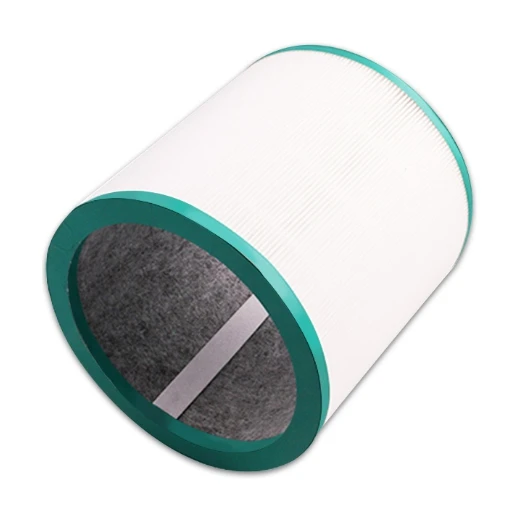

When cleaning the filter element, make sure to wear the appropriate PPE to protect yourself from any cleaning agents or debris. Avoid using abrasive materials or high-pressure water, as this may damage the filter element.
After cleaning the filter element, allow it to dry completely before reinstalling it. This will help prevent the growth of mold or bacteria, which can affect the performance of the filter.
5. Disposal
When the filter element reaches the end of its useful life, it must be disposed of properly. Follow the local regulations and guidelines for the disposal of filter elements, as they may contain hazardous materials.
Do not dispose of the filter element in the regular trash. Instead, contact a professional waste disposal company that specializes in the disposal of hazardous waste. They will have the necessary equipment and expertise to handle the filter element safely and environmentally responsibly.
6. Training and Education
Proper training and education are essential for anyone who handles primary filter elements. Make sure that all employees who are involved in the handling, installation, or maintenance of filter elements receive comprehensive training on safety procedures and best practices.
Provide employees with access to safety manuals, training materials, and other resources that can help them understand the importance of safety and how to handle filter elements safely. Encourage employees to ask questions and seek clarification if they are unsure about any aspect of the handling process.
7. Emergency Preparedness
Despite taking all the necessary safety precautions, accidents can still happen. It is important to be prepared for emergencies and have a plan in place to respond quickly and effectively.
Develop an emergency response plan that includes procedures for dealing with spills, leaks, fires, and other emergencies. Make sure that all employees are familiar with the emergency response plan and know what to do in case of an emergency.
Provide employees with access to first aid kits and other emergency equipment, and make sure that they are trained in first aid procedures. This will help minimize the risk of injury and ensure a prompt and effective response in case of an emergency.
Conclusion
Handling a primary filter element requires careful attention to safety. By following these safety precautions, you can minimize the risk of accidents and ensure a safe working environment. Remember to wear the appropriate PPE, inspect and prepare the work area, handle and store the filter element carefully, clean and maintain it regularly, dispose of it properly, provide training and education, and be prepared for emergencies.
If you are in the market for high-quality primary filter elements, we are here to help. Our team of experts can provide you with the information and support you need to choose the right filter element for your application. Contact us today to learn more about our products and services, and to discuss your specific requirements. We look forward to working with you!
References
- Occupational Safety and Health Administration (OSHA). (n.d.). Personal Protective Equipment. Retrieved from [OSHA website]
- Filter Manufacturers Council. (n.d.). Filter Element Handling and Storage Guidelines. Retrieved from [Filter Manufacturers Council website]
- Environmental Protection Agency (EPA). (n.d.). Hazardous Waste Disposal. Retrieved from [EPA website]