

As a supplier of Black Steel Conduit, I've dealt with this product day in and day out. It's a staple in the electrical industry, known for its durability and strength. But like any product, it has its limitations. In this blog, I'll share some of the drawbacks I've noticed over the years.
Corrosion and Rust
One of the most significant limitations of Black Steel Conduit is its susceptibility to corrosion and rust. Unlike some other types of conduits, black steel isn't coated with a protective layer that can prevent moisture from reaching the metal. When exposed to damp environments, the steel starts to oxidize, leading to rust. This not only affects the conduit's appearance but also its structural integrity.
Rust can weaken the conduit over time, making it more prone to cracks and breaks. This is a big problem, especially in areas where the conduit needs to withstand mechanical stress. For example, in industrial settings where heavy machinery is present, a corroded conduit might not be able to hold up under the pressure.
To combat this, some users apply a protective coating to the black steel conduit. However, this adds an extra step and cost to the installation process. And even with a coating, the protection isn't always foolproof. Over time, the coating can wear off, leaving the conduit vulnerable to corrosion again.
Weight and Installation Difficulty
Black Steel Conduit is heavy. Compared to other types of conduits, like PVC or aluminum, it's much denser. This weight can make installation a real pain in the neck. You need more manpower and specialized equipment to handle and install it.
For instance, if you're working on a large - scale electrical project, moving and positioning the black steel conduit can be a time - consuming and labor - intensive task. The weight also means that you need to have proper support structures in place to hold the conduit securely. Otherwise, it can sag or even fall, which is a safety hazard.
In addition, the installation process for black steel conduit often involves threading and welding. These are skilled tasks that require trained professionals. If the installation isn't done correctly, it can lead to leaks, poor electrical connections, and other issues.
Cost
Another limitation is the cost. Black Steel Conduit is generally more expensive than other types of conduits. The raw material, steel, is relatively costly, and the manufacturing process adds to the overall price.
When you're working on a budget - conscious project, the higher cost of black steel conduit can be a deal - breaker. You might have to look for alternative options that can provide similar functionality at a lower price. For example, PVC conduit is much cheaper and easier to install, although it might not have the same level of durability as black steel.
Limited Flexibility
Black Steel Conduit is rigid. It doesn't have the flexibility that some other conduits offer. This can be a problem in situations where you need to route the conduit around obstacles or through tight spaces.
In a building with a complex layout, it can be challenging to install black steel conduit without making multiple bends and cuts. And each bend and cut requires additional fittings, which not only increase the cost but also the potential for leaks and weak points in the system.
On the other hand, flexible conduits, like liquid - tight flexible non - metallic conduit (LFNC), can be easily bent and routed around corners and obstacles. They offer more versatility in installation, which is a big advantage in many projects.
Compatibility with Other Materials
Black steel conduit might not be compatible with all types of electrical components and accessories. For example, when using certain types of connectors or fittings, there could be compatibility issues.
Some connectors are designed for specific types of conduits, and using them with black steel conduit might not provide a proper seal or connection. This can lead to electrical problems, such as short circuits or poor conductivity.
Also, when it comes to grounding, black steel conduit needs to be properly grounded to ensure electrical safety. But if it's connected to other materials that have different electrical properties, it can create grounding issues.
Environmental Impact
The production of black steel conduit has a significant environmental impact. Steel production is energy - intensive and generates a large amount of greenhouse gas emissions. In today's world, where environmental concerns are at the forefront, this can be a drawback for some users.

If you're working on a green building project or a project with strict environmental regulations, you might need to look for more eco - friendly alternatives. For example, recycled PVC conduit or aluminum conduit can be more sustainable options.
Alternatives and Accessories
If you're facing some of these limitations, there are alternatives and accessories that can help. For example, if you're worried about corrosion, you can consider using a Separ Filter Element to help protect the conduit from moisture and contaminants.
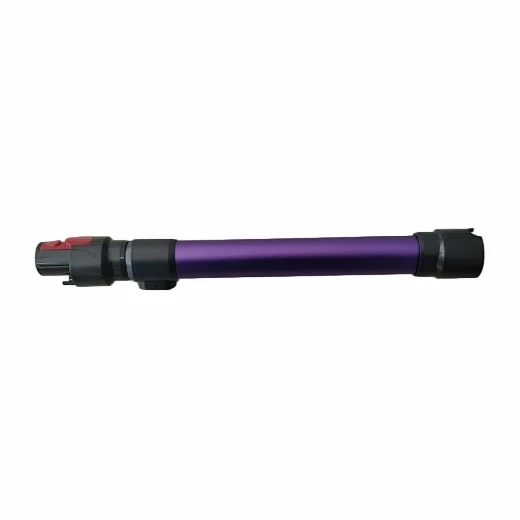
A Telescopic Extension Wand can be useful during installation, especially in hard - to - reach areas. It allows you to access and position the conduit more easily, reducing the difficulty associated with its weight.
And if you need to filter out small particles and debris, a Micro Filter Element can be a great addition to your electrical system.
Conclusion
While Black Steel Conduit has many advantages, such as its strength and durability, it also has its fair share of limitations. Corrosion, weight, cost, limited flexibility, compatibility issues, and environmental impact are all factors that you need to consider when choosing a conduit for your project.
But don't let these limitations scare you away. With the right knowledge and the use of appropriate accessories, you can still make the most of black steel conduit. If you're interested in learning more about our Black Steel Conduit or discussing how to overcome these limitations for your specific project, feel free to reach out. We're here to help you make the best decision for your electrical needs.
References
- "Electrical Conduit Handbook" by Electrical Engineering Publishing
- Industry reports on the use and limitations of black steel conduit